
Are you eager to make some smart investments for the rainy days? Do you want…
Gold Price – Today and Tomorrow: Trends, Evolution and Perspectives
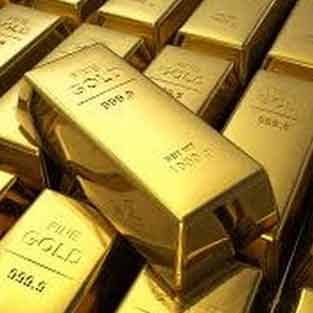
Gold has long been revered as a symbol of wealth and a safe haven asset during times of economic uncertainty. Its price fluctuations reflect a complex interplay of global economic factors, geopolitical events, and investor sentiment. This article delves into the current state of gold prices, their historical evolution, the evolution of house values measured in gold ounces, and the outlook for the future.
Current Gold Price Landscape
As of today, gold prices continue to exhibit volatility influenced by multiple forces. Inflation concerns, central bank policies, currency fluctuations, and geopolitical tensions remain primary drivers. For instance, when inflation rates rise, gold often gains appeal as a hedge against the eroding purchasing power of fiat currencies. Conversely, when interest rates climb, the opportunity cost of holding non-yielding gold increases, sometimes leading to price corrections.
In recent months, gold prices have experienced oscillations due to mixed economic signals. While some markets show signs of recovery post-pandemic, ongoing supply chain disruptions and geopolitical conflicts, such as tensions in Eastern Europe or trade disputes, contribute to market uncertainty. This environment tends to bolster demand for gold as a protective asset.
Historical Evolution of Gold Prices
Historically, gold has demonstrated resilience through various economic cycles. During the 1970s, gold prices surged dramatically amid stagflation and geopolitical crises. The 2008 global financial crisis also saw a significant rally in gold prices as investors sought safety amid collapsing financial markets.
Over the last two decades, gold has trended upwards, punctuated by periods of sharp corrections. The 2011 peak, where prices approached $1,900 per ounce, was followed by a multi-year decline as global economies stabilized. However, renewed economic uncertainties in the 2020s, including the COVID-19 pandemic and inflationary pressures, reignited gold’s appeal.
Evolution of House Values Measured in Gold Ounces
An insightful way to understand the real value of houses over time is to measure their prices not in fiat currency, but in gold ounces. This approach strips away the distortions caused by inflation and currency fluctuations, providing a clearer picture of housing affordability and value stability.
Historically, housing prices measured in gold ounces have shown remarkable stability over the long term. For example, in the early 20th century, the average house in many Western countries cost roughly 150 to 200 ounces of gold. Despite nominal price increases in local currencies, when expressed in gold ounces, house values often remained within a similar range over decades.
However, there have been notable deviations. During periods of rapid economic growth, speculative bubbles, or financial crises, the gold-ounce price of houses has fluctuated more significantly. For instance, in the U.S., the housing bubble of the mid-2000s saw house prices soar relative to gold, indicating a peak in nominal terms that was not matched by gold value. After the 2008 financial crisis, house prices corrected downward in gold terms, reflecting a return to more sustainable levels.
More recently, with gold prices rising and housing markets booming in many regions, the cost of houses measured in gold ounces has increased in some markets, suggesting that housing affordability relative to gold is tightening. This trend may reflect factors such as limited housing supply, increased demand, and monetary policy impacts.
Understanding house prices in gold ounces helps investors and homeowners gauge true value and affordability, beyond the noise of currency inflation and market speculation.
Future Perspectives and Trends
Looking ahead, several factors will shape gold price trajectories and their relationship with house values:
- Monetary Policy: Central banks’ decisions on interest rates and quantitative easing will heavily influence gold prices and mortgage rates, impacting housing affordability.
- Inflation Dynamics: Persistent inflation may keep gold prices elevated, potentially stabilizing or reducing house prices measured in gold ounces.
- Geopolitical Risks: Ongoing or emerging conflicts can drive safe-haven demand for gold, affecting its price and indirectly influencing housing markets.
- Housing Market Dynamics: Supply constraints, demographic shifts, and policy changes will continue to affect house prices in both currency and gold terms.
- Currency Movements: The strength of local currencies relative to gold will influence the nominal cost of housing and investment decisions.
Conclusion
Gold remains a pivotal asset in the global financial ecosystem, balancing its traditional role as a store of value with evolving market dynamics. Today’s gold prices reflect a complex mixture of economic uncertainty, inflation concerns, and geopolitical risks. The historical stability of house values measured in gold ounces offers a unique lens to assess real estate affordability and value beyond nominal price movements.
Looking forward, gold is poised to maintain its status as a strategic investment, especially if inflation persists and geopolitical tensions continue. Monitoring the interplay between gold prices and housing values will provide valuable insights for investors, homeowners, and policymakers navigating uncertain economic landscapes.
In summary, while gold prices will continue to experience volatility, their long-term trajectory and the relative stability of house values in gold terms underscore gold’s enduring importance as a benchmark for wealth preservation and economic analysis.
